Everything about waxing in Barcelona: benefits and aftercare
What is waxing and how does it work?
Waxing is a temporary cosmetic method for removing body or facial hair that consists of applying melted resin to the skin to pull the hair out directly from the root.
Unlike shaving, which cuts the hair at the surface, this technique extracts the entire hair follicle, which delays regrowth and offers results that last between 3 and 6 weeks. It works by following a fundamental four-step process:
- Adhesion: The wax (hot, warm, or cold) is applied to the clean area in the same direction as hair growth. The wax envelops each hair and adheres strongly to it.
- Pore dilation (in hot wax): The heat of the wax slightly opens the pores of the skin, which relaxes the follicle and facilitates hair removal with less resistance.
- The pull: Once the wax sets or is covered with a cloth/paper strip, a quick, forceful pull is performed in the opposite direction of hair growth.
- Extraction: The force of the pull yanks the hair out by the root. Over time and repeated sessions, this process weakens the follicle, causing the hair to grow back finer and slower each time.
How does waxing differ from shaving?
The fundamental difference is that wax pulls hair out from the root, while shaving only cuts it at the skin's surface. This has a completely different impact on the duration, hair texture, and skin reaction.
What are the benefits of waxing?
Waxing offers a series of benefits that make it a popular choice for those seeking smooth, hair-free skin. Below are some of the main benefits of waxing:
Long-lasting Results:
Unlike shaving, waxing pulls hair from the root, which results in smooth skin for a longer period, generally between three and six weeks, depending on the hair growth cycle.
Hair Reduction:
Over time, waxing can weaken the hair follicle, which causes hair to grow back finer and in smaller quantities. This can reduce the need for frequent waxing and make the hair less noticeable.
Skin Exfoliation:
The waxing process not only removes hair but also dead skin cells. This leaves the skin smoother and cleaner, improving its overall appearance and texture.
Less Irritation and Itching:
Unlike shaving, which can cause irritation, cuts, and itching as the hair grows back, waxing generally causes less irritation and avoids the coarse stubble associated with post-shaving hair growth.
Lower Likelihood of Ingrown Hairs:
Although it does not completely eliminate the possibility of ingrown hairs, waxing tends to reduce their appearance compared to other methods, such as shaving or the use of depilatory creams.
Slower and Finer Hair Growth:
By pulling the hair from the root, new growth is usually slower and less dense. Over time, this can result in a significant reduction in unwanted hair.
Speed and Efficiency:
Waxing is a fast and effective method for removing large areas of hair in a short time. This is especially useful for those seeking a quick and lasting hair removal solution.
Lower Cost in the Long Term:
Although waxing treatments may seem expensive initially, the longevity of the results means they can be more cost-effective in the long run compared to the frequent purchase of shaving products or depilatory creams.
What types of wax are there, and which one to choose?
There are three main types of waxing, and choosing the right one depends on your skin type, body area, and pain tolerance. Below, the available options are detailed so you can choose the one that is best for you:
Hot wax (Melted resins)
This is the most common option in professional beauty salons. It is melted at a high temperature and applied with a spatula.
- How it works: The heat opens the skin pores, which allows the hair to come out with greater ease and less pain.
- Ideal for: Areas with coarse and stubborn hair like the underarms, groin, bikini line, and face.
- Considerations: It requires practice to avoid burning the skin. It is not recommended if you have serious circulatory problems or varicose veins.
Warm wax (Roll-on or cartridges)
It is heated to a temperature very close to the body's using an electric heater and removed with paper or cloth strips.
- How it works: It combines the convenience of fluid application without the risk of burns from hot wax.
- Ideal for: Large, flat areas like the legs, arms, and back.
- Considerations: It is very hygienic and fast, but can be less effective on extremely short or coarse hair.
Cold wax (Ready-to-use strips)
These are paper or plastic strips that come already impregnated with the exact dose of wax. They only need to be rubbed between the hands to warm them up before applying.
- How it works: It adheres directly to the hair at room temperature and is removed with a quick pull.
- Ideal for: Travel, quick touch-ups, and fine hair on the legs or upper lip.
- Considerations: It is the most painful method because it does not open the pore and can irritate very sensitive skin if used multiple times on the same area.
Which one should you choose?
| If your priority is... | The best option is... | Why? |
| Less pain in sensitive areas | Hot wax | The heat dilates the pore and facilitates root extraction. |
| Speed on large areas (legs) | Warm wax (Roll-on) | Covers a large surface area quickly and is clean. |
| Skin with varicose veins or spider veins | Cold or warm wax | You avoid direct heat that dilates blood vessels. |
| Beginner / Home waxing | Cold wax | It is the safest because there is no risk of burns. |

How to prepare your skin before waxing?
Before undergoing waxing, it is important to follow a series of preparations to ensure the process is as effective and comfortable as possible. Here are some steps to follow to prepare your skin before a waxing session:
Let the Hair Grow:
Ensure that the hair has an appropriate length to be removed with wax, generally between 1/4 and 1/2 inch (0.6 to 1.3 cm). If it is shorter, the wax may not adhere well; if it is longer, it could be more painful.
Exfoliate the Skin:
Gently exfoliate the area to be waxed one or two days before the session to remove dead skin cells. This helps prevent ingrown hairs and allows the wax to adhere better to the hair. Use a mild scrub or an exfoliating glove.
Avoid Sun Exposure:
Do not expose yourself to the sun or tan at least 24-48 hours before waxing. Sunburned skin is more sensitive and prone to irritation and damage during waxing.
Hydrate the Skin:
Keep your skin well-hydrated in the days leading up to waxing, but avoid applying lotions or oils to the area to be waxed on the day of the session, as this can interfere with the wax's adhesion.
Avoid Using Irritating Products:
Do not use products that contain retinoids, glycolic acids, or chemical exfoliants on the area to be waxed for at least 48 hours before the session, as these can make the skin more sensitive.
Take a Shower Beforehand:
Take a warm shower before waxing to open the pores and soften the hair. However, make sure to dry the skin well before applying the wax.
Wear Comfortable Clothing:
Wear loose and comfortable clothing on the day of your waxing to avoid friction or irritation on the freshly waxed skin.
Consult a Professional:
If it is your first time or if you have any specific concerns about waxing, consult with the professional who will be performing the service. They can offer you additional tips and ensure you are well-prepared.
Avoid Caffeine and Alcohol:
Reduce your consumption of caffeine and alcohol on the day of waxing, as they can make your skin more sensitive.
Communicate Your Needs:
Talk to your aesthetician about any concerns or medical conditions you may have, such as allergies or skin problems, so they can take the necessary precautions.
By following these steps, you can help minimize pain and irritation during waxing and ensure you get the best possible results.
What aftercare does the skin need after waxing?
After waxing, the skin is left exposed, vulnerable, and with the pores completely open, so it requires a specific aftercare routine to soothe it, avoid infections, and prevent the appearance of ingrown hairs.
Essential care is divided into two critical phases:
First 24 to 48 hours: Soothe and protect
During this period, the skin is at its most sensitive. Follow these strict guidelines:
- Apply cold and light hydration: Rinse the area with cold water to help close the pores and reduce inflammation. Apply natural soothing gels like aloe vera, oatmeal, or specific post-depilatory lotions (ideally with fluid textures or light oils if any wax residue remains).
- Avoid direct heat: Do not take very hot showers or baths. Completely avoid saunas, hot tubs, and steam baths.
- Zero sun exposure: Do not expose the waxed area to the sun or go to tanning beds for at least 48 hours, as the skin is unprotected and could develop dark spots (hyperpigmentation) or severe burns.
- Prohibited products: Do not apply cosmetics that contain alcohol, perfumes, acids (such as glycolic or salicylic), or retinoids, as these will cause stinging and severe irritation. If you had your underarms or face waxed, wait at least 12 hours before using deodorant or makeup.
- Loose clothing: Wear loose-fitting garments, preferably made of cotton. Tight clothing creates friction and traps sweat, which encourages the appearance of pimples and bacterial infections in the open follicles.
-
Pause physical exercise: Avoid going to the gym or performing intense cardiovascular activities during the first day so that sweat does not irritate the open pores.
From the third day: Prevention and maintenance
Once the initial redness has disappeared, the focus shifts to skin texture:
- Gentle exfoliation: Wait a minimum of 48 to 72 hours before exfoliating the area. From then on, perform a gentle exfoliation 1 or 2 times a week using a sisal glove, a natural sponge, or a light body scrub. This removes dead cells and ensures that new hair grows outward without becoming ingrown.
- Daily deep hydration: Keeping the skin barrier elastic is key. Use daily creams rich in regenerating ingredients like hyaluronic acid or shea butter.
How long does waxing last?
Generally, waxing results last between 3 and 6 weeks. By pulling the hair out directly from the root, the skin remains completely smooth for the first 2 to 3 weeks, at which point new hair begins to timidly appear on the skin's surface. The exact duration varies according to several key factors:
The area of the body
Hair does not grow at the same speed all over the body:
- Legs, arms, and back: These are the areas where the results last the longest, remaining clean for 4 to 6 weeks.
- Bikini line and intimate area: Hair usually takes between 3 and 5 weeks to grow back.
- Underarms and face: Due to hormonal stimuli, hair in these areas grows faster and usually requires touch-ups every 2 or 3 weeks.
Consistency (Progressive effect)
If you wax regularly, the hair root gradually weakens. Over time and with continued sessions, the hair grows much finer, slower, and more sparsely, which makes the feeling of smoothness last for more days each time. If you alternate waxing with the use of a razor, you will lose this benefit.
Individual growth cycle
Every person has a different genetic and hormonal rhythm. Furthermore, it is impossible to extract 100% of the hair in the same phase during a single session; there will always be hairs hidden under the skin in the growth phase that will emerge after a few days, which is completely normal.
Waxing in Barcelona: information and recommendations
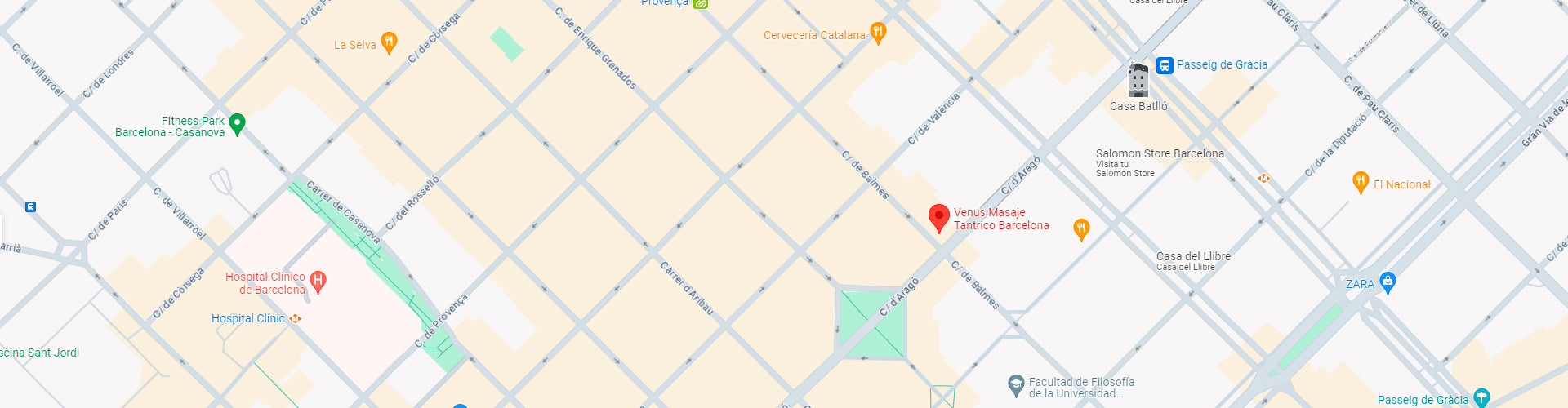
If you would like more information about the treatments available at Venus Barcelona, you can consult our spa and waxing services page.